Which FPV System Should You Buy in 2026? Analog, DJI, HDZero, Walksnail, Ascent, OpenIPC - Oscar Liang
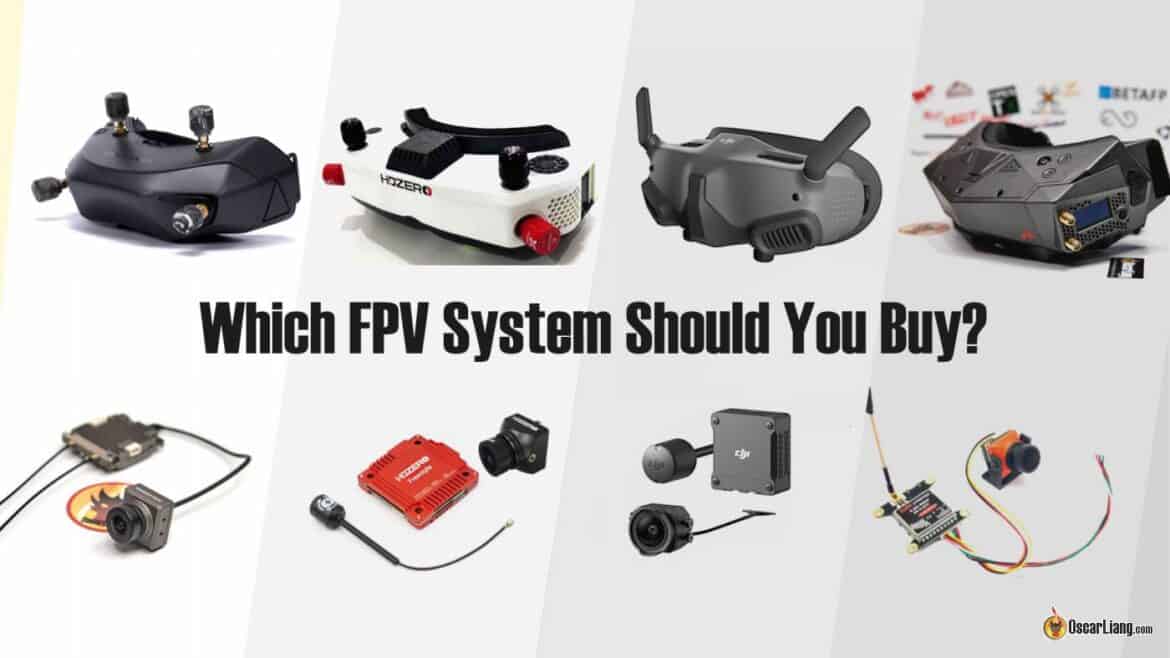
Getting into FPV drone flying can be confusing for newcomers, especially with so many FPV systems to choose from: analog, DJI, Walksnail, HDZero, and newer options like OpenIPC and Ascent. In this post, I’ll break down each FPV system and help you decide which one is best for you.
Table of Contents
What Is FPV System?
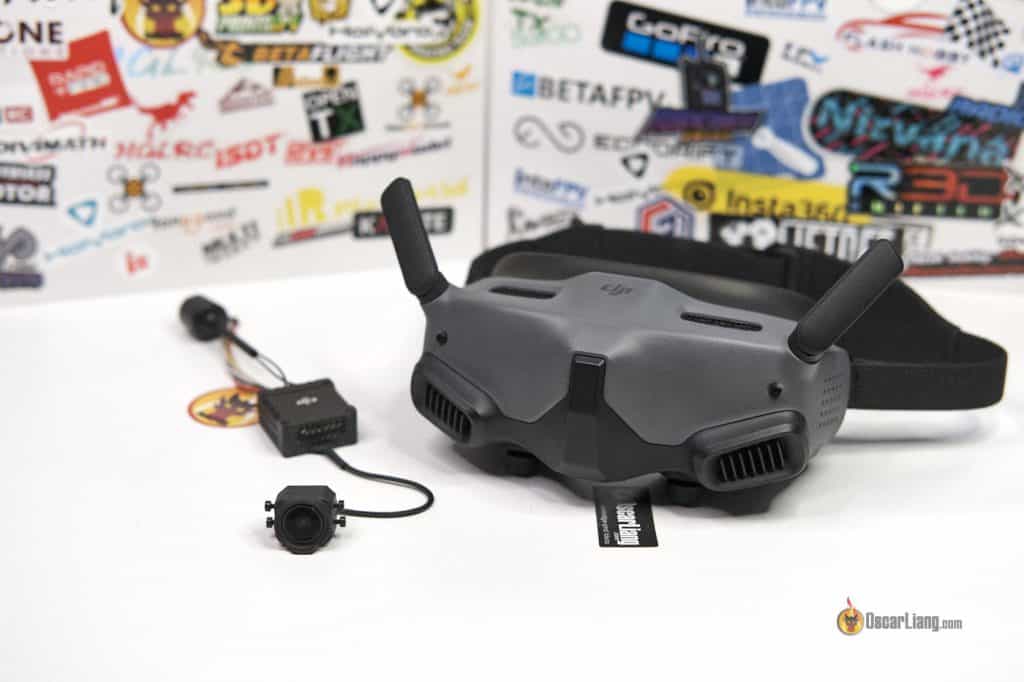
Left: FPV camera and video transmitter; Right: FPV goggles with built-in video receiver
An FPV (First Person View) system enables live video streaming from a camera mounted on an FPV drone to your FPV goggles. This immersive experience simulates sitting in the aircraft’s cockpit while piloting it from the ground.
An FPV system consists of:
-
A camera
-
A video transmitter (VTX)
-
FPV goggles (with a video receiver integrated)
Digital vs. Analog
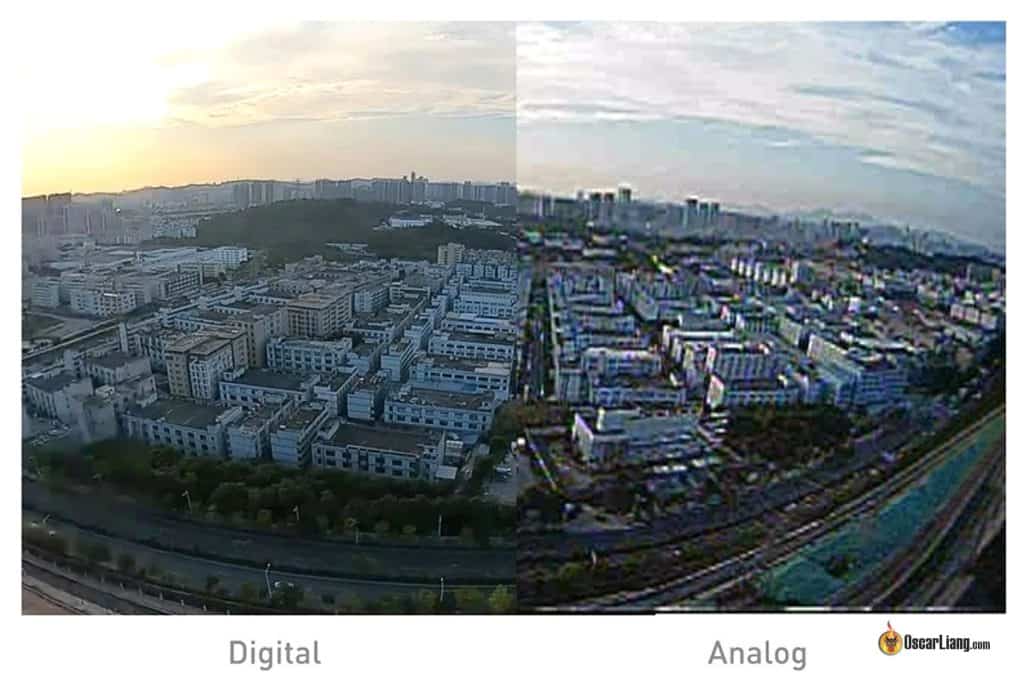
There are two types of FPV systems:
-
Analog
-
Digital (HD)
The key difference lies in video signal. An analog system works by continuously varying the amplitude or frequency of the wave, while a digital system first encodes it as ones and zeros before sending it.
Analog FPV technology dates back to the 1970s, whereas digital FPV systems only emerged within the last decade. Analog remains popular due to its affordability and simplicity, while digital systems offer higher image quality and are generally less susceptible to interference.
Digital FPV System Options in 2025
Currently available digital FPV systems include:
-
DJI
-
Walksnail Avatar
-
HDZero
-
OpenIPC (from Runcam, Emax etc, more info)
-
Edge T3 (more info on IntoFPV)
-
Walksnail Ascent (more info)
-
BetaFPV ArtLynk (more info on IntoFPV)
-
STARTRC VT5 (more info on IntoFPV)
Note that none of them are cross-compatible, once you choose a system, you are effectively locked into that ecosystem, making this an important decision.
My Recommendations
If you can, get DJI.
I’m not a fan of monopolies, but DJI is simply years ahead of the competition. For most users, it remains the best FPV system available today—there’s really no debate.
If you can’t or don’t want to use DJI, these are the alternatives I consider viable (in no particular order):
-
Walksnail Avatar
-
HDZero
-
Analog
Several new digital systems were announced this year, notably Walksnail Ascent and OpenIPC. These are budget-focused and quite new, and it’s highly unlikely they can match the performance of DJI or even Walksnail Avatar any time soon. But I’ll keep this post updated if these systems mature to the point where they’re worth recommending.
Disclaimer: My recommendations are based on how these FPV systems perform today. NEVER buy into an FPV system purely on promises or expectation of future improvements. Judge a system by the hardware and performance available right now, not marketing claims.
For US Pilots
Unfortunately, DJI may become unavailable in the US in 2026. Existing equipment should continue to work, but spare parts and replacements may become increasingly harder to get.
If you want something closer to DJI in terms of image quality and performance, Walksnail Avatar is a viable alternative.
You should also consider going analog for now. The hardware is inexpensive, widely available, and flexible. It’s a volatile time, things may change in the future—DJI could be unbanned, or a better FPV system could emerge, who knows!? Analog remains a safe and practical choice.
Now, let’s dive into each FPV system in more detail and break down their pros and cons.
Analog
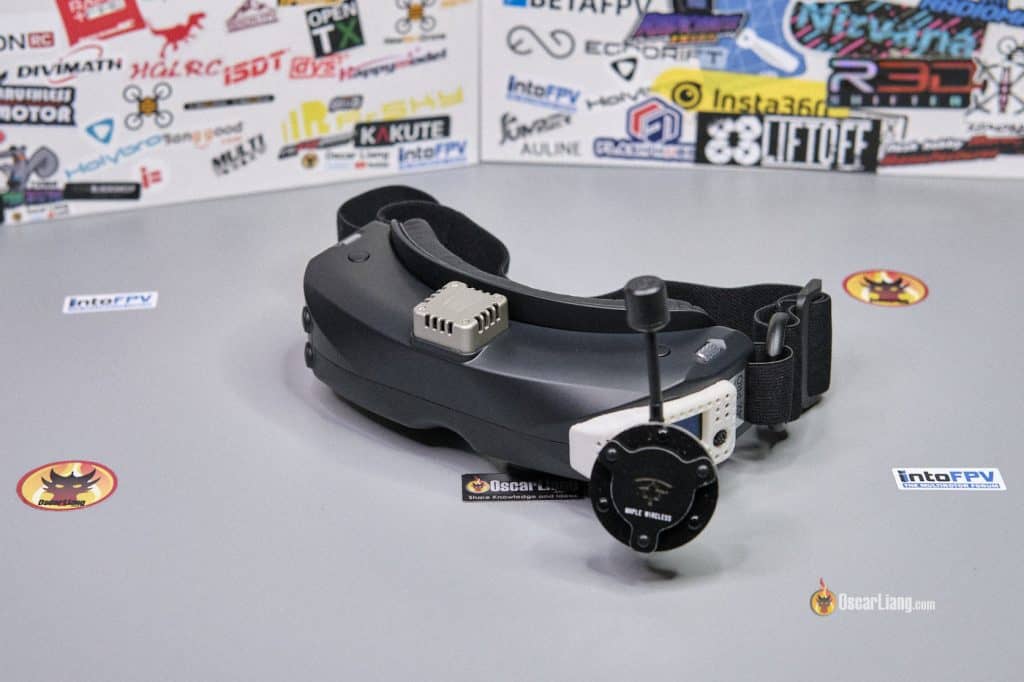
Skyzone SKY04X Pro FPV Goggles (analog)
Overview
The analog FPV system is the original technology that kickstarted FPV drones. This decades-old system is not proprietary to any single company, meaning anyone can manufacture compatible components. As a result, analog FPV remains the most widely available and flexible FPV system on the market.
Until mid-2019, analog was the only viable FPV option. Numerous manufacturers produced cameras, video transmitters (VTX), and goggles, all of which were cross-compatible. While the selection has shrunk considerably as digital FPV systems have grown in popularity, there is still a solid range of analog hardware available today.
Analog FPV is also the most affordable way to get into FPV flying. If you are on a limited budget, this system is hard to beat. Another advantage is the lightweight and compact nature of analog video transmitters, which is particularly appealing for small drones like tiny whoops and racing quads. Another advantage of analog that people rarely talk about is video sharing. Analog video signal isn’t encrypted, so anyone nearby with analog goggles can watch you fly.
That said, digital video quality is far superior than analog. However, for pilots who prioritize latency, cost, simplicity, or compatibility over image quality, analog still gets the job done reliably.
Price
-
Camera: US$15 – US$40
-
VTX: US$15 – US$40
-
FPV Goggles: US$80 – US$500
Here’s an example of what analog FPV video looks like inside the goggles:
Pros
-
Affordable entry point into FPV
-
Widely available hardware
-
Low latency
-
Huge selection of cameras, VTXs, and goggles from multiple manufacturers
-
No ecosystem lock-in—components are cross-compatible
-
Simple setup with minimal configuration (great for beginners)
-
Excellent for long-range flying, as high-power VTXs (up to 10W!) are available
-
Ideal for racing due to low latency, low cost, and lightweight hardware
-
Unrestricted video sharing with other people with analog goggles
Cons
-
Low image quality, it’s like watching a TV from the 70s with poor reception
-
Highly sensitive to interference and electrical noise
-
Inconsistent hardware quality due to the sheer number of manufacturers
The Best Analog Hardware
Check out these pages for my recommendations when it comes to analog FPV gear and components:
-
Analog FPV Goggles: https://oscarliang.com/fpv-goggles/#Top-Analog-FPV-Goggles
-
Analog FPV Cameras: https://oscarliang.com/fpv-camera/#Analog
-
Analog VTX: https://oscarliang.com/video-transmitter/#Analog
-
FPV Antennas: https://oscarliang.com/best-fpv-antenna/#Antennas-Recommendations
DJI
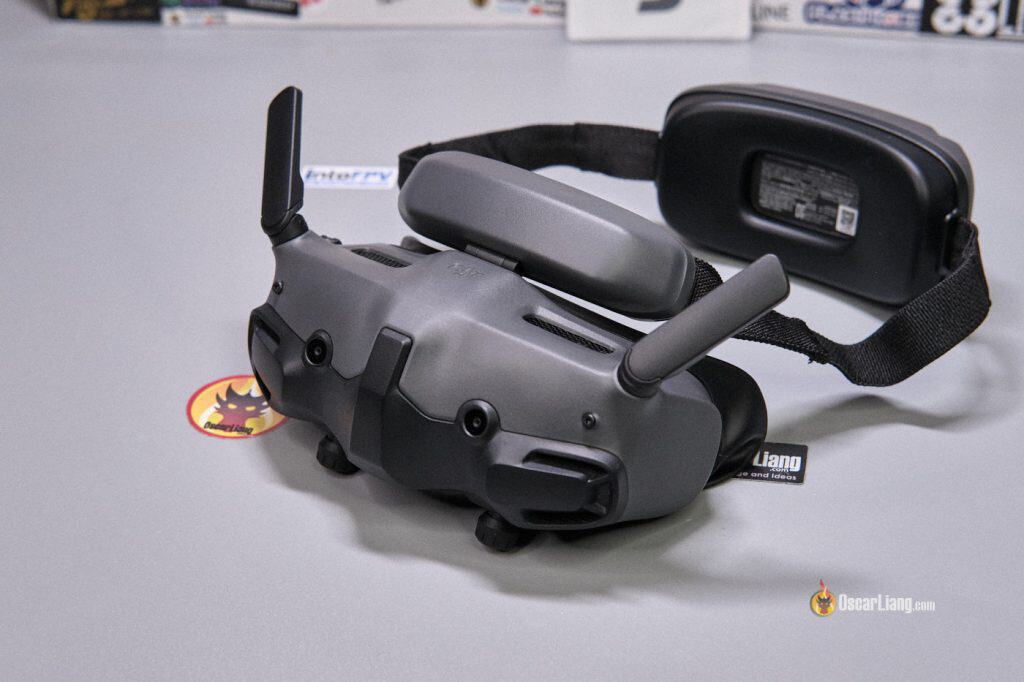
DJI Goggles 3
Overview
DJI FPV is the pioneer and gold standard of digital FPV systems, widely regarded for its exceptional image quality, robust video link, and polished user experience.
The latest DJI O4 Pro Air Unit features a powerful camera that rivals top-tier action cameras, delivering outstanding image quality. It supports 4K video recording with stabilization, making it an excellent choice for pilots who prioritize cinematic footage. DJI also offers over 10km of 1080p video transmission, enabling immersive long-range FPV flights. Overall usability is excellent thanks to DJI’s intuitive interface, refined ecosystem, and reliable customer support.
However, the DJI FPV system does have notable drawbacks. First, DJI goggles generally do not support any other FPV systems, including analog, meaning you are fully locked into DJI’s ecosystem.
Second, DJI uses a two-way data transmission system where lost or corrupted packets are retransmitted to preserve image quality. This greatly improves link robustness, penetration, and resistance to interference, but it results in slightly higher latency, especially when signal strength is weak. But we are talking about only 30ms (or 15ms in Race Mode) of latency, unless you race on a professional level, it’s not an issue at all for most people.
Price
-
Camera & VTX: US$99 – US$229
-
FPV Goggles: US$229 – US$500
Footage from DJI Goggles 3 with O4 Pro Air Unit:
Footage from the newer DJI Goggles 2 with O3 Air Unit:
Pros
-
Unparalleled image quality (arguably the best FPV image quality available today)
-
Industry-leading signal penetration
-
Highly robust against interference compared to analog
-
Multiple air unit options: O4 Pro for maximum image quality and range; O4 Lite for lighter weight and compact builds
-
Wide range of goggles to suit different budgets and feature requirements
Cons
-
Slightly more expensive than most other counterparts
-
DJI goggles do not support any other FPV systems, including analog
-
Hard range limit (26 km for O4, 23 km for O3), though most people simply don’t fly this far so it’s not a deal breaker.
-
Not available in the US from 2026; Other regions are not affected
DJI Compatibility
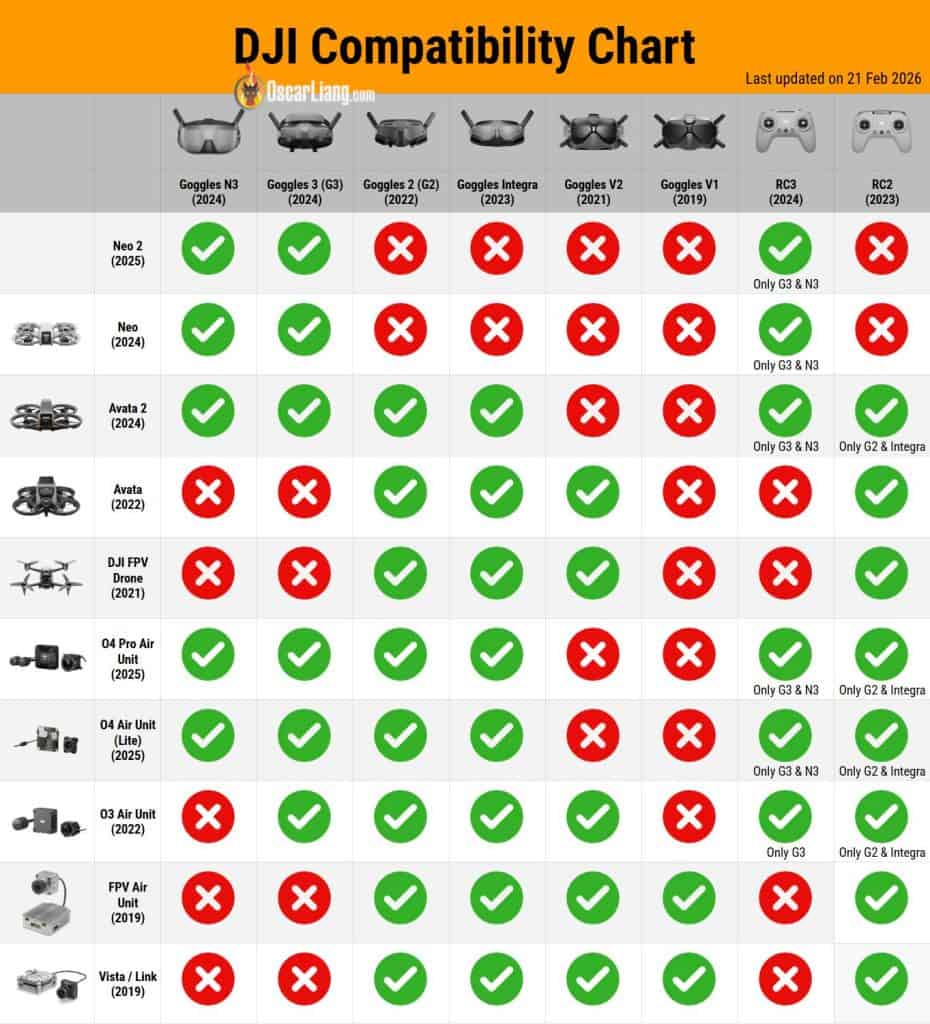
DJI FPV system compatibility can be confusing for newcomers, as there are currently 3 generations of DJI FPV hardware, each with different levels of cross-compatibility.
The Best DJI Hardware
Here are my DJI FPV component recommendations:
-
DJI FPV Goggles: https://oscarliang.com/fpv-goggles/#The-Best-DJI-FPV-Goggles
-
DJI FPV cameras: https://oscarliang.com/fpv-camera/#DJI-Vista-FPV-Air-Unit
-
FPV antennas: https://oscarliang.com/best-fpv-antenna/#The-Best-FPV-Antennas-for-FPV-Drones
How to Choose Between the Different DJI Goggles
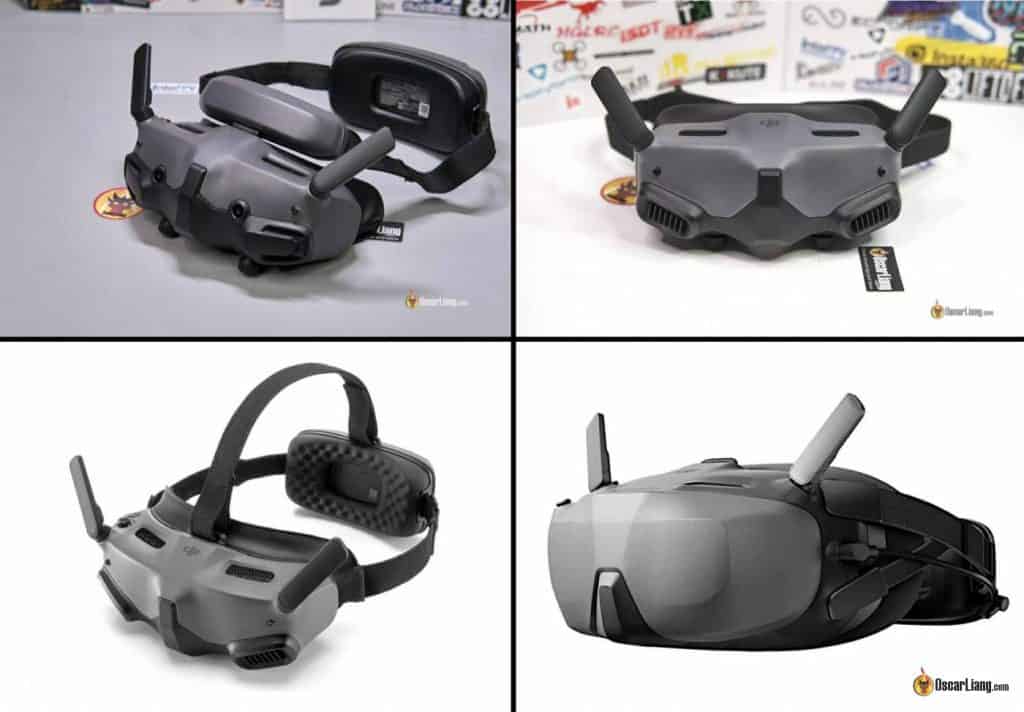
If future-proofing is your priority, spending a bit more on the newest DJI Goggles 3 (G3) makes sense. They are fully compatible with DJI’s latest O4 air units and offer the most advanced features.
For budget-conscious pilots, the Goggles Integra provide excellent value, especially if you plan to use older air units like the O3 or Caddx Vista. The Integra and Goggles 2 (G2) share many same features, but the Integra is usually available at a significantly lower price.
The Goggles N3 are my go-to budget recommendation for casual pilots who only fly the new O4 Air Units, Avata 2, or Neo/Neo 2. While they have limitations—such as a 60 Hz screen and lack of O3 compatibility—the value is hard to beat.
The Goggles 2 are largely overshadowed by both the G3 and Integra in terms of features and value. However, they can still be worth considering if you can find them at a significant discount, especially on the 2nd hand market.
For a deeper breakdown, see our full comparison: https://oscarliang.com/which-dji-fpv-goggles-g3-g2-integra-n3-v2/
HDZero
Overview
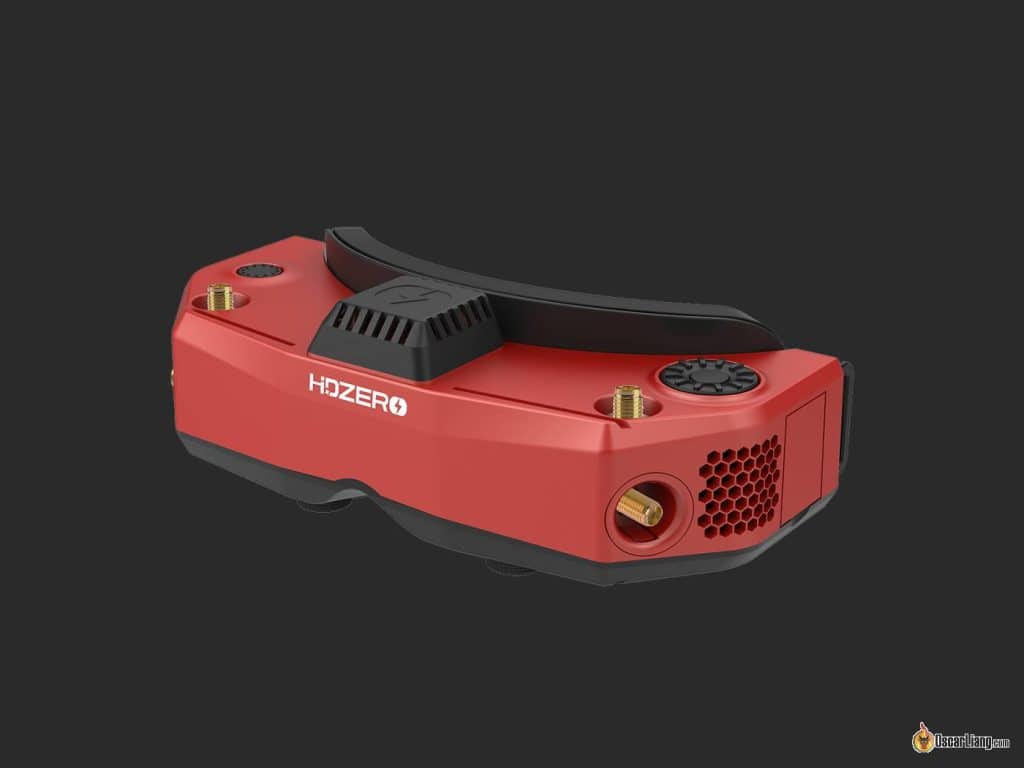
The FPV community sometimes jokingly refers to HDZero as “Analog Plus”. That’s actually a useful way to think about it: HDZero behaves very much like analog, but with improved image quality, even ever so slightly better latency.
HDZero is especially popular in FPV racing because of its fixed, ultra-low latency. Unlike DJI and Walksnail, whose latency can vary depending on signal strength, HDZero maintains consistent latency throughout the flight. This predictability allows pilots to time maneuvers more precisely, which is critical in competitive racing.
Although HDZero technically runs at 720p at 60fps, or only 540p at 90fps—not quite as high as the 1080p offered by DJI and Walksnail—the image quality is still considered a step up from analog. The increased clarity allows you to set up your racing lines earlier and more precisely. Being able to clearly see gates from a distance in high definition is a game-changer.
While other digital systems such as DJI and Walksnail use two-way communication, HDZero uses one-way communication, so any lost or corrupted data packets end up showing as “sparkles” on the screen, similar to analog. This design preserves fixed latency, but at the expense of image quality. As a result, HDZero generally offers lower image quality than other digital systems, especially in challenging RF environments.
Personally, I like HDZero, but I see it as a system best suited for racing in open fields. For pretty much anything else—freestyle, bando, cinematic, or long-range—DJI and Walksnail provide a more enjoyable experience in terms of image quality, range, penetration, interference handling, and overall usability.
Price
-
Camera & VTX: US$125-$170
-
FPV Goggles: US$300 – US$650
Footage from the HDZero FPV System:
Pros
-
Excellent, fixed low latency
-
Good low-light performance
-
AIO flight controller boards with integrated VTX available for tiny whoops
-
Standalone video receiver module available, compatible with third-party goggles via HDMI
-
HDZero FPV Goggles support analog and Walksnail via HDMI input
Cons
-
Inferior image quality compared to DJI and Walksnail
-
Firmware update process and user interface are less intuitive than competitors
-
Like analog, signal degradation results in visible static and sparkles
-
Not particularly strong at handling interference
-
Significantly more expensive than analog, with debatable value for non-racing use
Check out my HDZero reviews where you will also find a list of the hardware available: https://oscarliang.com/hdzero-digital-fpv-system/
The Best HDZero Hardware
Here are the HDZero FPV components I recommend:
-
HDZero FPV Goggles: https://oscarliang.com/fpv-goggles/#Top-FPV-Goggles-for-HDZero
-
HDZero FPV cameras: https://oscarliang.com/fpv-camera/#HDZero
-
HDZero VTX: https://oscarliang.com/video-transmitter/#HDZero
-
FPV antennas: https://oscarliang.com/best-fpv-antenna/#The-Best-FPV-Antennas-for-FPV-Drones
Walksnail Avatar
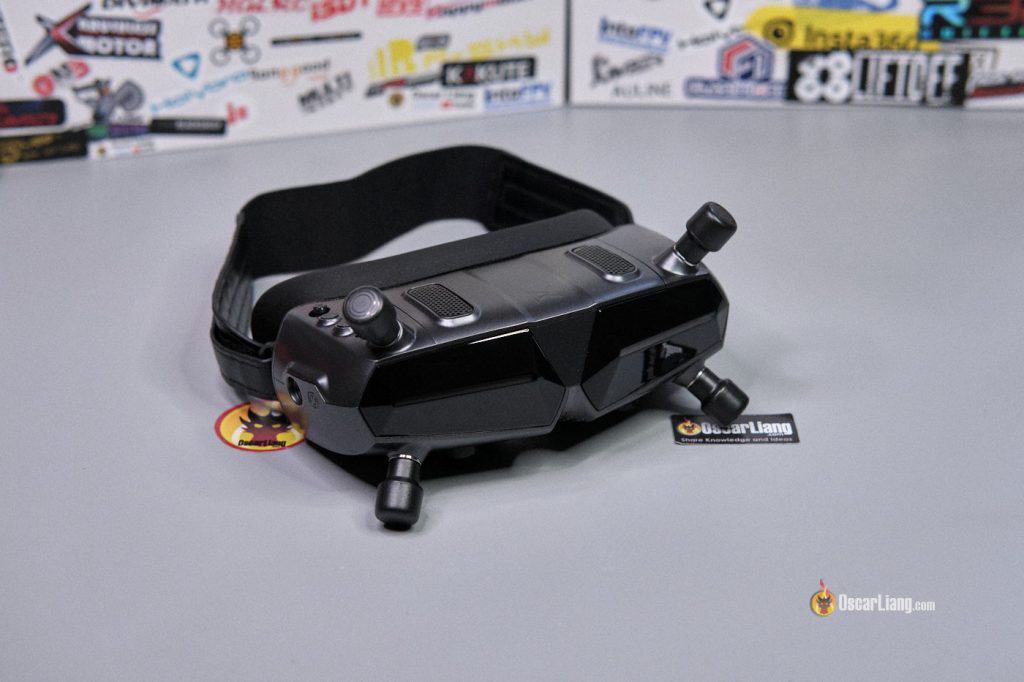
Walksnail Avatar HD Goggles X
Overview
Walksnail Avatar is often considered the closest alternative to DJI, as it offers a similar feature set and operates in much the same way. Like DJI, Walksnail uses two-way communication, meaning lost or corrupted data packets are retransmitted to preserve image quality. This results in a higher-quality video feed, but with slightly increased latency. That said, just like DJI, the latency is still very flyable and should not be a concern for the vast majority of pilots.
One of Walksnail’s biggest strengths is its versatility. It supports a wide range of use cases and arguably offers the largest selection of cameras and video transmitters among digital FPV systems, from lightweight micro drone to more powerful freestyle and even long range builds.
However, ever since Caddx announced their new FPV system, Ascent, there has been some concern within the community regarding the future of Walksnail Avatar. While Caddx continues to support Avatar and has indicated plans for new hardware, firmware development has noticeably slowed. In 2025, there were only 3 firmware updates, compared to an average of around 10 updates per year between 2022 and 2024. This could suggest that development is slowing, or simply that the system has almost reached its technical limits. Either way, Walksnail remains the most compelling DJI alternative available today, and I hope to see continued support and refinement going forward.
Price
-
Camera/VTX: $89 – $178
-
FPV Goggles: $200 – $459
Here’s some footage from the Walksnail Avatar System:
Pros
-
Very versatile system with a wide range of cameras and VTX options
-
Flagship Avatar Goggles X support Walksnail, analog, and HDZero (with its AV input and HDMI input)
-
Standalone video receiver module available, compatible with third-party goggles via HDMI
-
Lightweight cameras and VTX are available for micro FPV drones
-
More robust against interference than analog
-
A viable and proven alternative to DJI
Cons
-
Performs well overall, but does not necessarily excel in any single category
-
Image quality still falls short of DJI
-
Some promised features remain incomplete or underdeveloped despite the system being on the market for several years (e.g. audience mode, 1080p mode, high bitrate options)
-
User experience is less polished and often requires more tinkering, for instance, firmware updates require special adapters, which also changed between hardware revisions, making the process confusing for users
Check out my Walksnail Avatar review for more detail: https://oscarliang.com/walksnail-avatar-digital-fpv-system/
The Best Walksnail Hardware
Here are the Walksnail FPV components I recommend:
-
Walksnail FPV Goggles: https://oscarliang.com/fpv-goggles/#The-Best-Walksnail-Avatar-FPV-Goggles
-
Walksnail FPV cameras: https://oscarliang.com/fpv-camera/#Walksnail
-
Walksnail VTX: https://oscarliang.com/video-transmitter/#Walksnail
-
FPV antennas: https://oscarliang.com/best-fpv-antenna/#The-Best-FPV-Antennas-for-FPV-Drones
Ascent
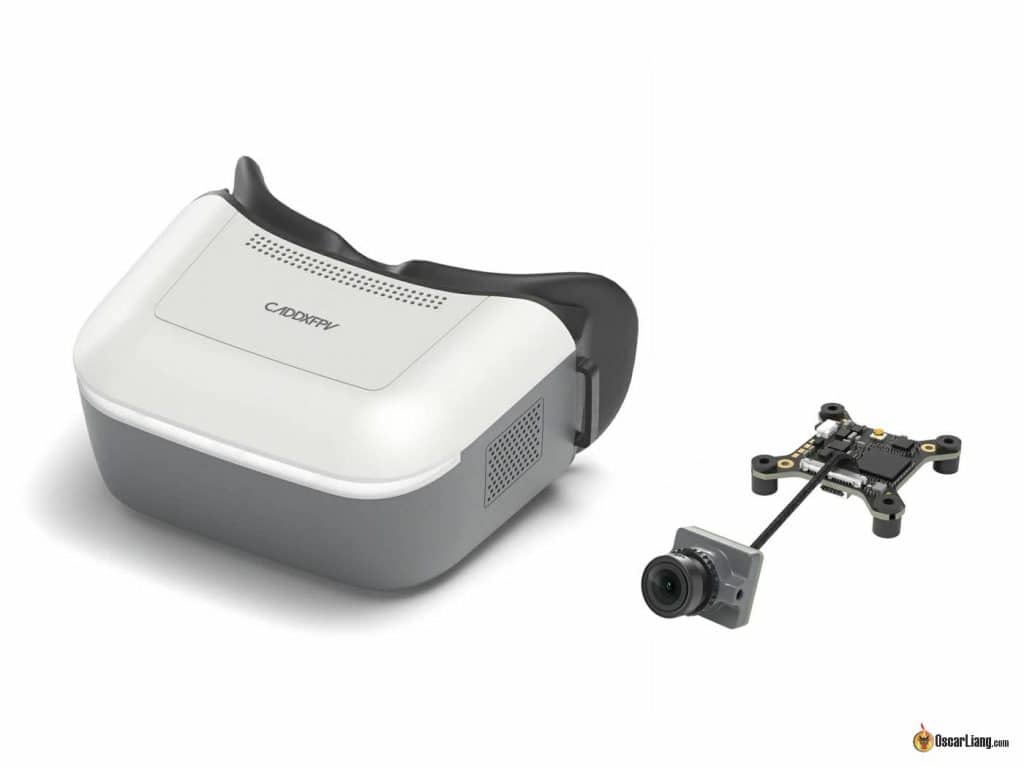
Overview
Walksnail Ascent is a brand-new digital FPV system developed by Caddx. Note that it is completely unrelated to Walksnail Avatar and not cross-compatible with any existing digital FPV ecosystem.
At the time of writing, Ascent is the cheapest digital FPV system on the market, with VTXs priced around US$35 and goggles at US$150.
However, price is, quite frankly, its only real advantage.
In terms of performance, Ascent currently lags behind all established digital FPV systems. Image quality is noticeably inferior, range is limited, and latency is clearly higher—not only compared to DJI, but even compared to Walksnail’s older Avatar system. Hardware options are also extremely limited, with only 1 camera/VTX and 1 box goggle available today.
For a brand-new HD FPV system launching in 2025, this is not a particularly strong debut. Unless you are extremely budget-constrained or simply curious about experimenting with new technology, Ascent is difficult to recommend at this stage.
Price
-
Camera & VTX: $36
-
FPV Goggles: $149
Product Page
Get the Ascent Camera/VTX from:
-
AliExpress: https://s.click.aliexpress.com/e/_c3IuqPSZ
Get the Ascent FPV Goggles from:
-
AliExpress: https://s.click.aliexpress.com/e/_c4PA4fbL
Artosyn Based Systems
Many of the newly released FPV systems in 2025 use the same chipset from Artosyn (a Chinese chip maker specializing in video processing chipsets), such as BetaFPV ArtLynk, STARTRC VT5, and Walksnail Ascent. Even the VTX layouts look highly similar, which suggests this may be an FPV solution developed by Artosyn, licensed and customized to different FPV brands. The system menus in these systems also appear almost identical, further supporting this conjecture.
Here’s a review of the BetaFPV Artlynk system: https://oscarliang.com/betafpv-artlynk/
Are they compatible? Initial testing shows that these systems are currently not cross-compatible. However, given how similar the hardware appears to be, it’s entirely possible that compatibility could be enabled in the future through firmware—though this is purely speculative at this point.
In terms of performance, these systems are not comparable to the cutting-edge performance of DJI, and even Walksnail Avatar still has a noticeable edge. The main selling point here seems to be price, positioned closer to the price range of analog systems.
At the moment, the advertised latency is around 60ms, which is relatively high compared to popular FPV systems. If manufacturers can reduce latency further, these systems could become quite compelling, as the image quality is already noticeably better than analog.
It’s still too early to say whether these systems are worth investing in long term. I will for sure check them out in the coming weeks and share my thoughts on the blog. That said, the rapid release of so many new options is exciting for FPV.
Considerations
Image Quality
DJI is, without doubt, the best in its class when it comes to image quality and signal penetration. In particular, the latest DJI O4 Pro Air Unit delivers stunning visuals that genuinely feel like flying through a GoPro.
Walksnail Avatar follows in second place in terms of overall video quality. While it doesn’t quite match DJI’s clarity and link robustness, it still provides an excellent HD FPV experience for most pilots.
HDZero, on the other hand, does not compete directly with DJI or Walksnail on raw image quality. Its visuals are best described as an upgraded analog experience—less crisp and sharp, with occasional static and sparkles when signal quality degrades due to interference or packet loss.
Latency
Analog and HDZero offer the lowest latency, typically around 10–20ms glass-to-glass latency (per full frame update).
By comparison, DJI and Walksnail exhibit slightly higher latency, usually in the range of 20–50ms depending on frame rate. Whether a 10–20ms difference is noticeable varies from pilot to pilot.
While latency is an important consideration, DJI and Walksnail are more than adequate for general flying, which is reflected in their dominant market adoption. However, if you race at a competitive or professional level, you may prefer HDZero and analog due to their fixed, ultra-low latency characteristics.
Range and Penetration
I want to make it clear: all major FPV systems—DJI, Walksnail, HDZero, and analog—have been proven capable of long-range flight (10km+), provided you use the right antenna setup and appropriate output power.
HDZero’s range and penetration are generally comparable to analog. However, its most powerful VTX is limited to 1W, whereas you can find analog VTX’s that can do 2.5W, 5W, or even 10W (though higher power levels may not be legal in many regions).
When it comes to signal penetration and interference handling, DJI clearly leads the field, with Walksnail in second place. DJI also delivers excellent range out of the box with minimal tweaking—but it does impose hard distance limits:
-
Goggles 3 + O4 Air Unit: ~26 km
-
Goggles 2 + O3 Air Unit: ~23 km
-
Goggles 2 + Caddx Vista / FPV Air Unit: ~23 km
-
Goggles V1/V2 + Caddx Vista / FPV Air Unit: ~13 km
If you intend to fly beyond these limits, DJI may not be the right choice. That said, for the vast majority of pilots who never fly more than a few miles, these caps are unlikely to be a practical limitation.
For Beginners
My recommendations at the beginning of the post stands for beginners as well. DJI is my top choice. And followed by Walksnail, HDZero and analog.
If you’re new to FPV flying and unsure about spending so much money on HD system, analog can be a very cost-effective starting point. It offers low latency, allowing you to develop your piloting skills without a large upfront investment. Once you become more comfortable flying, you can always upgrade to a digital system later. Analog never really goes out of fashion, and many pilots continue to use it even after switching to digital.
The Cheapest FPV System
For those on a tight budget, analog is the way to go. Analog is versatile. Video transmitters are generally more compact and lighter than digital ones, making them easier to install in smaller drone frames. There is also a huge selection of analog VTXs available, allowing you to choose based on your specific needs—output power, antenna connector type, form factor, and size—giving you a lot of flexibility.
Which FPV System is the Best?
If you’re still unsure which FPV system to choose, DJI is the safest bet—you simply can’t go wrong with it.
DJI currently leads the market in image quality and signal integrity, delivering stunning visuals, excellent penetration, and a rock-solid connection. It provides the most immersive FPV experience available today.
Their recent hardware releases have made the DJI FPV system even more versatile than ever. The O4 Pro and O4 Lite Air Units cater to different aircraft sizes and use cases. Meanwhile, the Goggles N3 offer an affordable entry point that is ideal for beginners, while the Goggles 3 are better suited for pilots who are serious about FPV flying and want the latest features.
Conclusion
Ready to choose your FPV goggles? Check out my FPV Goggles Buyer’s Guide, where I break down the best FPV headsets for each system and help you find the perfect match for your flying needs: https://oscarliang.com/fpv-goggles/
When it comes to choosing the right FPV system, there is no one-size-fits-all answer. The best option for you depends on your priorities, flying style, and budget. By understanding the components and performance of different FPV systems, you can make an informed decision that best suits your needs and preferences.
Edit History
-
Feb 2023 – article created
-
Oct 2023 – updated
-
Feb 2025 – updated post because of DJI O4 release, removed info about DJI 1st gen gear since it’s no longer available.
-
Dec 2025 – updated post